


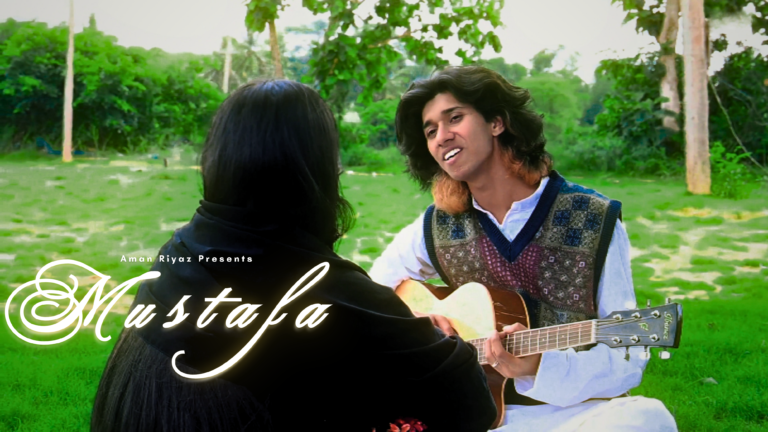
The Aman Riyaz “Mustafa” visual film marks the release of “Mustafa,” the latest song by Bengaluru-based singer-songwriter Aman Riyaz. Released in January 2026, the official visual film departs from conventional music video formats, presenting a cinematic narrative that reflects the contrast between imagination and the relentless pace of city life.
Aman Riyaz “Mustafa” Visual Film Brings the Song to the Screen
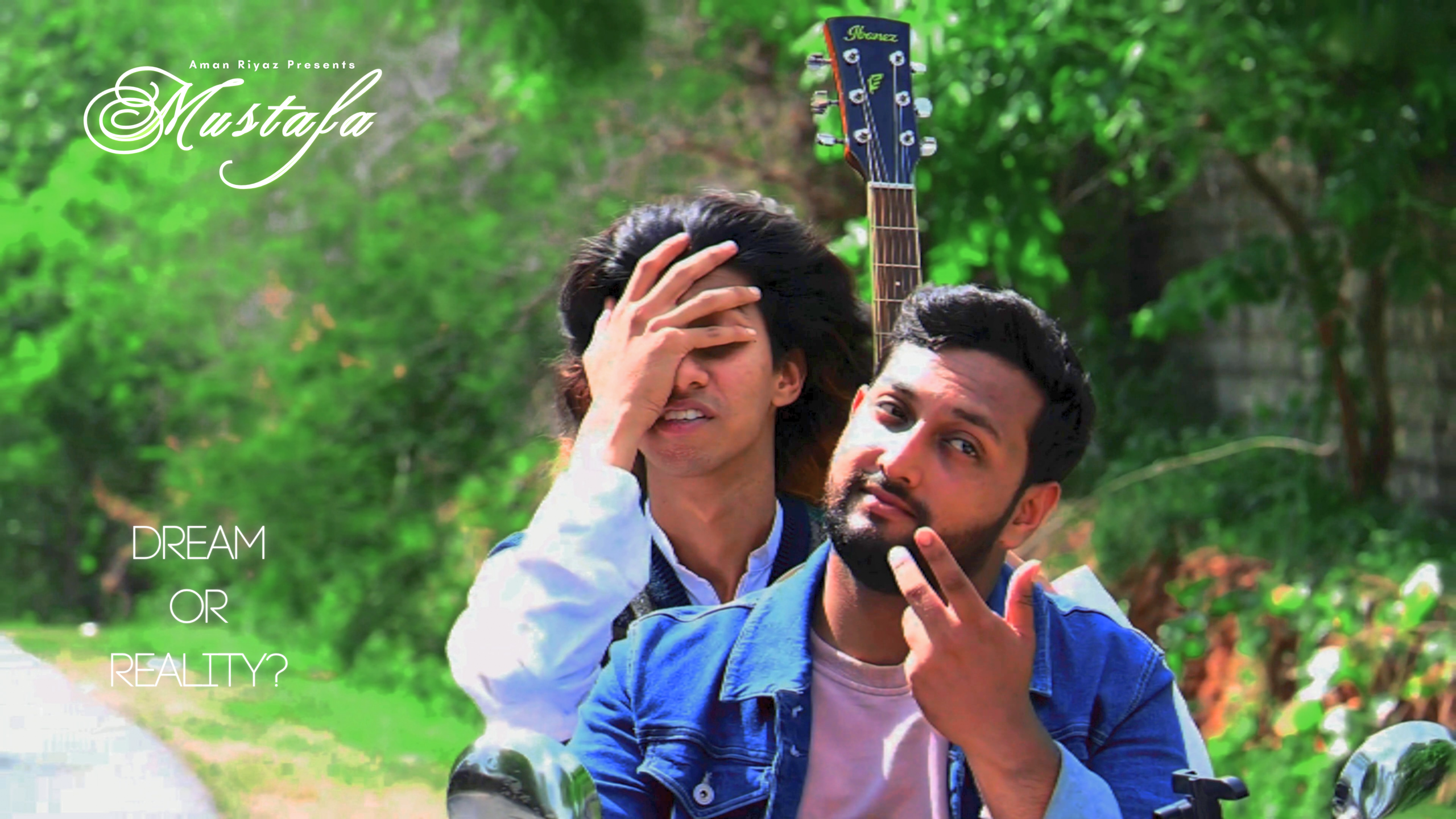
Created as the official visual accompaniment to the song “Mustafa,” the film unfolds across Bengaluru, a city often shaped by movement and ambition. What begins as a simple hitchhiking moment gradually transforms into a surreal journey, where emotional fantasy and lived reality overlap.
Shot in 4K, the visual film prioritizes atmosphere and pacing over spectacle, allowing the song’s emotional tone to guide the narrative.
From “Doctor” to “Mustafa”: A Clear Artistic Transition
A New Phase in Aman Riyaz’s Music
Listeners familiar with Aman Riyaz’s earlier song “Doctor” will recognize a distinct shift in tone. Doctor explored darker psychological themes through confined spaces and noir-inspired visuals.
In contrast, “Mustafa” embraces openness and light. The visuals feature open roads, daylight, and fluid motion, signaling a movement away from internal struggle toward emotional surrender and calm.
A Cinema-First Visual Approach
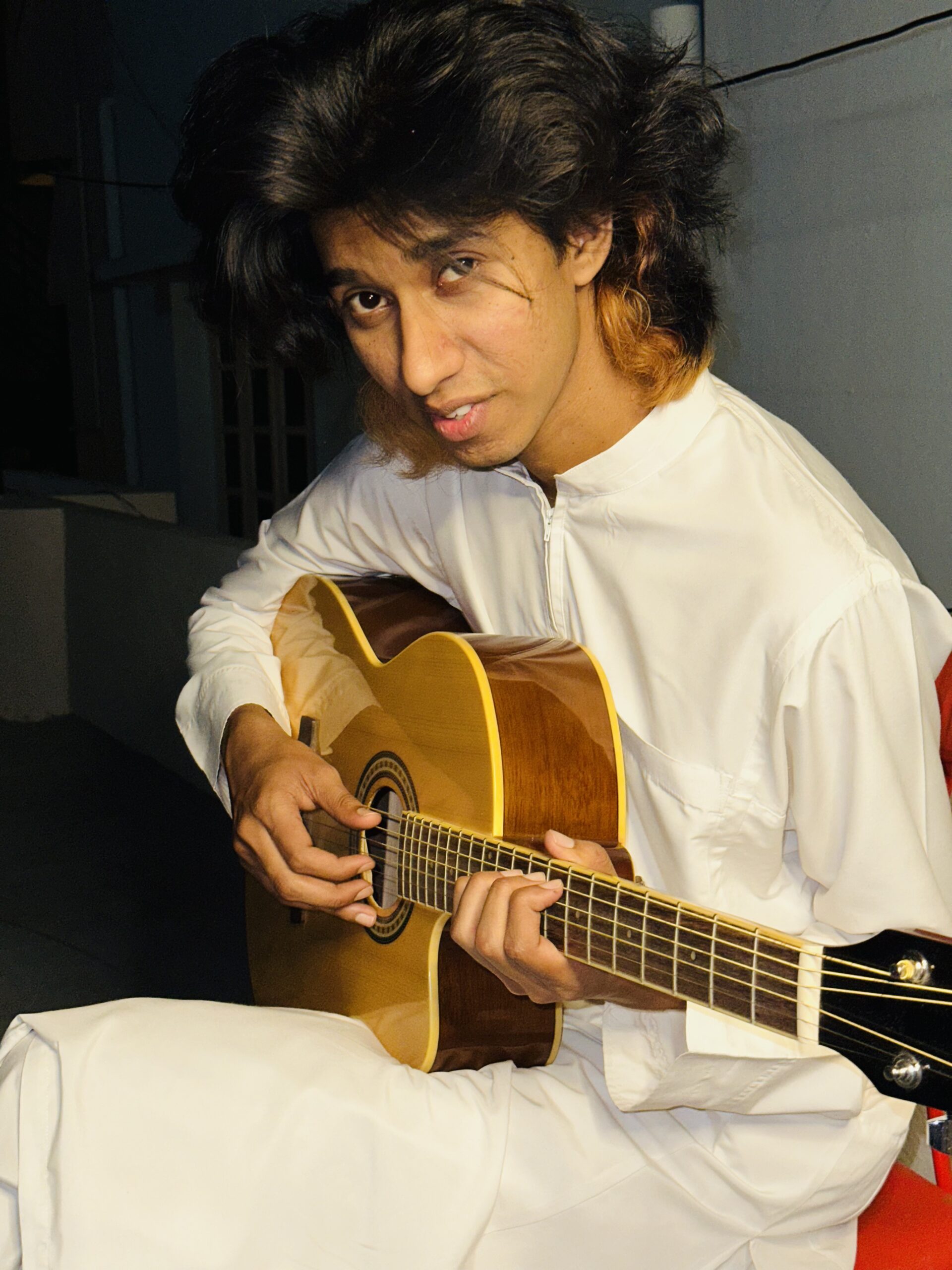
Directed by Aman Riyaz, with cinematography by Zain Bakhar, the visual film adopts a restrained cinematic style. Natural lighting, minimal dialogue, and controlled camera movement replace the rapid cuts typical of mainstream music videos.
When Reality Interrupts the Dream
A brief interaction with a bike rider introduces a grounded, almost humorous moment that disrupts the dream-like flow. This scene subtly reinforces the film’s central theme: while imagination may wander, reality continues alongside it.
The Meaning Behind the Song “Mustafa”
Lyrically, “Mustafa” explores romantic vulnerability and the loss of emotional control. Lines such as “Jannat ki khushboo lagey zameen pe” and “Dil pe chaley na koyi zoor” describe the overwhelming nature of sudden connection.
Aman Riyaz shared that the song was written in isolation but always felt connected to open spaces. The visual film translates this contrast between confinement and freedom into cinematic storytelling.
Why the Visual Film Stands Apart
Rather than offering clear answers, the visual film leaves its narrative open to interpretation. Viewers are invited to question whether the journey is real or imagined, and whether the connection portrayed is literal or symbolic.
This ambiguity encourages repeat viewing and personal reflection, strengthening the emotional resonance of the song without relying on exposition.
Official Links
- YouTube: Mustafa – Official Visual Film
- Spotify: Stream “Mustafa”
Audio Credits
- Written, composed, and performed by Aman Riyaz
Video Credits
- Directed by Aman Riyaz
- Director of Photography: Zain Bakhar
- Edited by Zain Bakhar & Aman Riyaz
- Cast: Aman Riyaz, Amir Ali Shaik
In Summary: What This Means
With “Mustafa,” Aman Riyaz expands his musical storytelling through a visual format that prioritizes mood, silence, and emotional nuance. The official visual film complements the song by translating its themes into cinematic language, positioning the artist within a growing movement of narrative-driven Indian indie music.
FAQs
The Aman Riyaz “Mustafa” visual film is the official cinematic visual created for the song “Mustafa.” It presents a short narrative that interprets the song’s emotional themes through storytelling rather than traditional performance footage.
“Mustafa” is a romantic song that explores emotional vulnerability and surrender. Its lyrics reflect the feeling of losing control when faced with sudden love and connection, a theme mirrored throughout the visual film.
Yes. While “Doctor” focused on darker psychological tension, “Mustafa” represents a shift toward openness and calm. Together, the songs reflect different stages of the artist’s creative evolution.
The visual film was directed by Aman Riyaz, with cinematography by Zain Bakhar. Their collaboration emphasizes natural lighting and cinematic pacing to support the song’s introspective mood.
The visual film stands out for its cinema-first approach and open-ended narrative. Instead of relying on performance shots, it focuses on mood, symbolism, and storytelling aligned closely with the song’s meaning.